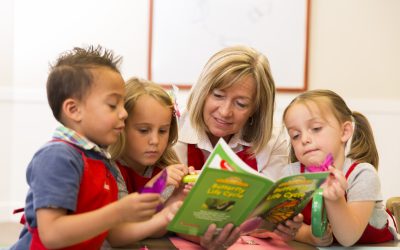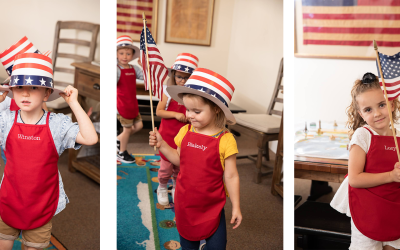
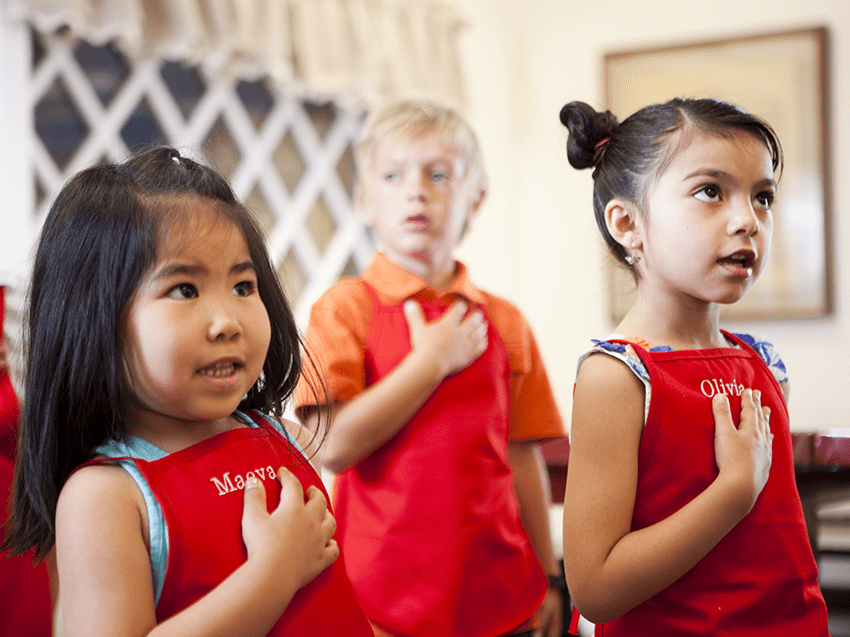
This week has been a special week. Between Election Day and Veterans Day, Kids Village is getting a lot of opportunities to teach children patriotism and show them the beauty of the United States of America and the citizens and servicemen and women within it.
At Kids Village, we believe in educating the whole child. We don’t believe that education is only about passing tests–it’s about becoming responsible, intelligent, and happy contributors to society. In a lot of our articles and insights we discuss how we prepare our children for the real world by teaching them lifelong skills such as cooking, fitness, music, foreign language, and more. We also talk about how we teach our children lifelong values each month, including determination and hard work, friendship, and collaboration. But did you know that Kids Village also places great value and importance on teaching children patriotism and citizenship?
Our children are our country’s future. In order to establish a thoughtful, intelligent, and involved community of U.S. citizens, it’s imperative we teach our children the importance of patriotism and citizenship. This means teaching them about the laws and freedoms that govern the land, how to show respect and pride in our country, and how to make contributions to the community to responsibly be part of the collaborative union.
How to teach your children patriotism at home
Be a patriotic example. One of the most important ways to start teaching children patriotism is to make a point of exhibiting patriotism at home. Don’t just wait for Independence Day to hang a flag or wait until Election Day to talk politics. Make a regular effort to show pride and enthusiasm for your country and talk about what makes you proud to be an American.
Talk about your freedoms. Talk with your children about the laws, protections and freedoms we have earned as Americans. Ask them which freedoms mean the most to them (reading books, playing video games, talking with friends, getting to wear what they want) and talk about why our freedoms in these countries are so special. Helping them to connect things they get to do on a daily basis to patriotism helps them see how the way the country is organized and run affects them on a daily basis. This helps government and patriotism feel tangible instead of feeling like an abstract idea.
Set an example of research, learning, and discussion. Make a regular effort to read books, newspapers, or educational magazines about politics, patriotism, and citizenship. make a point of discussing the topics with your child.Try to find ways to make your conversations fun. Sometimes it’s easy to get negative, but try to keep it positive–remember, you’re trying to encourage patriotism and pride, not anger and frustration. Try to relate the subjects to your child’s day-to-day life so they can see how many of the happy, positive things in their life are related to the world around them.
It’s important for your child to see you researching and reading about the nation, government, and community. It sets a great example to them as children, and sets a standard for them as they grow an mature. Even though there are great online resources, do your best to show your example in hard-based formats such as newspapers, magazines, or printed articles as opposed to digital medias. Children typically relate things like tvs, computer, phones and tablets to games and entertainment, so when they see you interacting with these devices it doesn’t have the desired benefit of reinforcing intelligent research or staying up-to-date on current events (instead it typically only reinforces play).
Keep newspapers and magazines like TIME around the house. Children may not read through them yet, or may not understand what they’re reading, but keeping educational materials around the house and easily accessible gives them the opportunity to glance through them. Try to make a routine out of reading through these sources when your children are around — remember, you are your child’s greatest role model.
Honoring Veterans Day
In the article 10 Things Patriotic Parents Should Be Teaching Kids About America by MetroParent.com, eighth grade social studies teacher Amy VanEeuwen says it’s important for children to learn to honor our servicemen and women. “VanEeuwan says kids should learn to ‘honor soldiers who have served or died.’
‘It doesn’t matter if you agree or not with what they were doing, but it was the fact that they’re willing to die for our rights,’ she notes.
To converse about this topic and teach about soldiers, Langenderfer suggests, ‘If you go to a parade, for example, and you see soldiers walking by … talking about what they did’ and why it’s important to show them respect – “Especially for families that aren’t military families,’ she notes.”*
*Excerpted from 10 Things Patriotic Parents Should Be Teaching Kids About America, Megan Krueger, June 29, 2016 on MetroParent.com
Be a good example – with facts, not emotions
Politics can be a sensitive subject that causes contention between friends and neighbors–but it doesn’t have to be. Set a good example early on and your child can engage in beneficial political conversations that stimulate thought, understanding, and pride.
If you listen in on political conversations between older students (think late elementary school through high school), you will likely hear some students whose contributions are simply emotional and emphatic insults or statements of praise–with little substance. It’s our job to make sure our children see and emulate intelligent, fact-based exploratory conversations about politics. Engage with friends and neighbors in accepting, open ways that explore topics then discuss the conversations with your children.
It’s never too soon to instill intelligent political analysis. Even if your child is still preschool or kindergarten age, they reap benefits from being able to see you having intelligent exploratory conversations about politics, patriotism, and community. Make sure you’re setting a good example. Are your conversations more emotion-based or frustration-filled when you talk about patriotism or citizenship, or do you have intelligent exploratory conversations? Teach your children to listen, contribute and understand instead of berate and bash.
Volunteer with your child – citizens pitch in
In the article 10 Ways to Teach Kids to Love America on parents.com, they discuss volunteering with your child to show how citizens pitch in for a united whole:
“Your child’s home and community are the most real and important parts of America to her. ‘Kids become patriotic gradually as they learn how they fit into their family and how their family fits into their larger community and then their country,’ says Anne S. Robertson, a spokeswoman for the National Parent Information Network, a nonprofit organization associated with the U.S. Department of Education.
Take a walk together around your neighborhood, and talk about the values shared by the members of your community. Show your child some of the ways in which people work together and depend on each other. Truck drivers, shopkeepers, repair people — along with many others — help keep the community running. ‘Our nation is built on cooperation,’ says Michael Berson, Ph.D., an associate professor of social-science education at the University of South Florida, in Tampa. Seeing the community in action reassures and enlightens young children, and it teaches that we’re all in this together.”**
**Excerpted from http://www.parents.com/holiday/july-4th/traditions/10-ways-to-teach-kids-to-love-america/
Teaching children patriotism at home – how do you do it?
It’s our duty as adults to teach our children how to be responsible, involved, community-focused members of society. How can you help your child learn about and appreciate their country and community? Help us start a discussion by submitting a comment below!