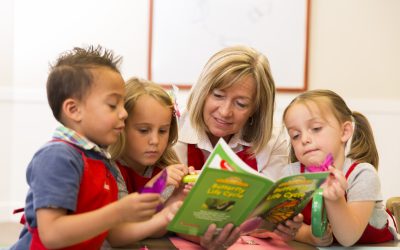

One of the most important foundations for your child’s happiness and success is self-worth. This means not only teaching them self-confidence (trusting their own abilities, qualities, and judgments), but also faith in themselves, pride, and self-respect.
A child with a healthy attitude about themselves and their abilities will feel capable of tackling life’s challenges, both inside and outside the classroom. A good self-image will lead to good mental health, social happiness, and academic and professional success.
As with most things, one of the most important ways you can teach your child healthy self-worth is by leading by example—how do you carry yourself and speak about yourself and others around your children? Do you let your child see you work through your struggles, believe in yourself, and let them see you and participate in achieving your goals?
It’s also important to speak to your child in a way that develops his or her self-confidence. Giving your child positive (and specific) praise helps them see that their hard work and efforts are recognized. It also helps them identify their victories and develop self-talk around those victories.
Here are a few more tools for inspiring self-worth in your child:
Help them learn to do things
Part of your child’s self-worth is feeling confident in their abilities. Having the confidence that they are able to do things themselves as well as the confidence that, with practice and work, they can learn how to do anything, strengthens your child’s feelings of self-worth.
When you are teaching your child something, such as how to tie a shoe, make a sandwich, put silverware away or learn how to write their name, remember that you’re not just teaching them a physical skill; you’re teaching them to believe in their ability to do something on their own and their ability to learn new things.
The way you teach is important as well. If you step in frequently to correct or “help,” then you’re teaching your child that you don’t believe in her or her ability to do things (which will translate to them failing to believe in their own abilities). Instead, coach them through the challenge.
For instance, if your child is putting together a puzzle and says, “I can’t do it.” Instead of stepping in and attaching the next pieces for them, say, “I am so proud of how hard you are working on this puzzle! You’ve been able to put so many pieces together! Way to go! I can tell you’re trying to find the next right piece… I see there’s a lot of blue in the sky here… Maybe we can work together to try to find which other piece has that matching color on it.” Help point out some of the pieces that don’t have a matching color, and let them be the one to make the discovery of the right piece.
In this example, you’re praising their hard work (an important part of teaching determination), as well as offering an additional tool for problem solving: look for matching colors when you’re stuck.
Pay attention to what they enjoy and do well
What does your child enjoy doing? What does he or she already do well? “Make sure your child has opportunities to develop these strengths. Nurturing strengths is better than focusing on weaknesses if you want to help kids feel good about themselves and succeed,” writes KidsHealth.org in their article about how parents can nurture self-esteem.
One of Kids Village’s founding principles is that every child has gifts and talents to contribute to the community. Our role as adults is to help them discover those gifts and talents and nurture them. We already know that being able to align your career and life path with your passions and talents makes for a happier life; it also leads to higher self-esteem and self-worth.
Let them make choices
When you let your child make decisions, they gain confidence in their judgment. Remember, you’re still in charge of teaching them other life skills, such as eating healthily, so letting them choose ice cream for dinner every night doesn’t suit the purpose. However, letting them choose between vegetable spaghetti or grilled chicken for dinner, or asking them to pick out which three books they’d like to read at bedtime, tells them that you have confidence in their decisions (and translates into their own self-worth).
Do you have a question for our educational director about the Kids Village Values of the Month or our philosophy on educating the “whole” child? Let us know in the comments below or call or stop by Kids Village during school hours!
You may also be interested in…
4 Ways to Help your Shy Child Learn Teamwork & Cooperation
Monthly Value: Teaching your child to be a good friend